
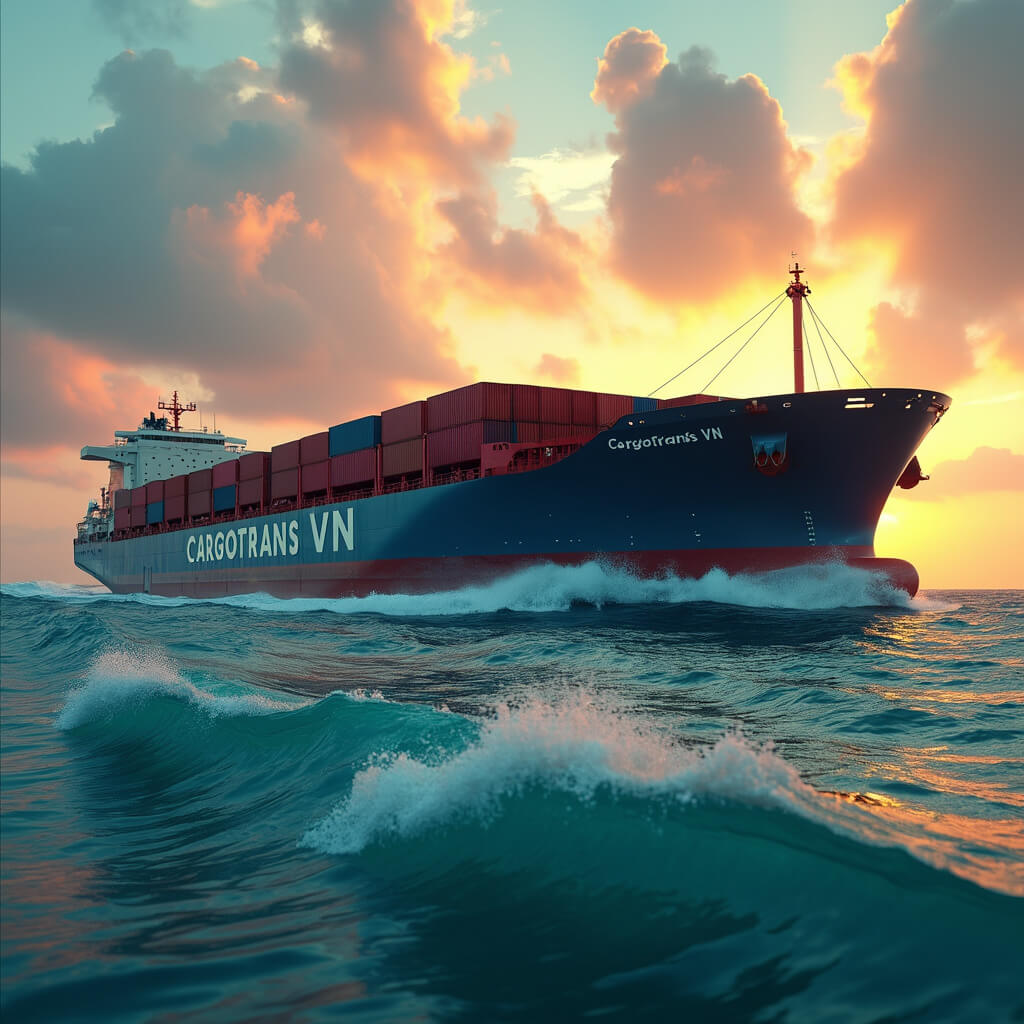
FCL gives one shipper the use of a complete container. LCL combines several shipments in a shared container. Both models can be effective when selected for the right cargo.
Compare more than cubic meters
LCL is often practical for smaller volume because the shipper pays for used space. FCL can become more economical as volume increases, and it may reduce destination handling charges and consolidation fees.
Consider cargo handling
LCL cargo is handled at consolidation and deconsolidation warehouses. Fragile, high-value, non-stackable, or time-sensitive products may benefit from the lower handling exposure of FCL even when the container is not full.
Review the schedule
FCL can move directly between container yards. LCL needs warehouse cut-off and release time on both sides. Compare the actual door-to-door lead time and the reliability of the consolidation service.
Ask for both options when volume is near the break point. A transparent comparison should include origin, ocean, destination, and delivery charges.